Protecting Dental Implants: What to Know About Peri-Implantitis

Dr Marketing Inc • December 15, 2025
Blue dental banner about protecting implants from peri-implantitis, with smiling doctor on the right.

Source: Dr. Marketing


Peri-implantitis is a serious condition that affects the tissues surrounding a dental implant, potentially leading to bone loss and implant failure. As dental implants have become a popular solution for replacing missing teeth, it’s essential to understand how peri-implantitis develops, how to prevent it, and what treatment options are available. With proper care and attention, you can protect your dental implants and maintain a healthy, functional smile for years to come.


What Causes Peri-Implantitis?

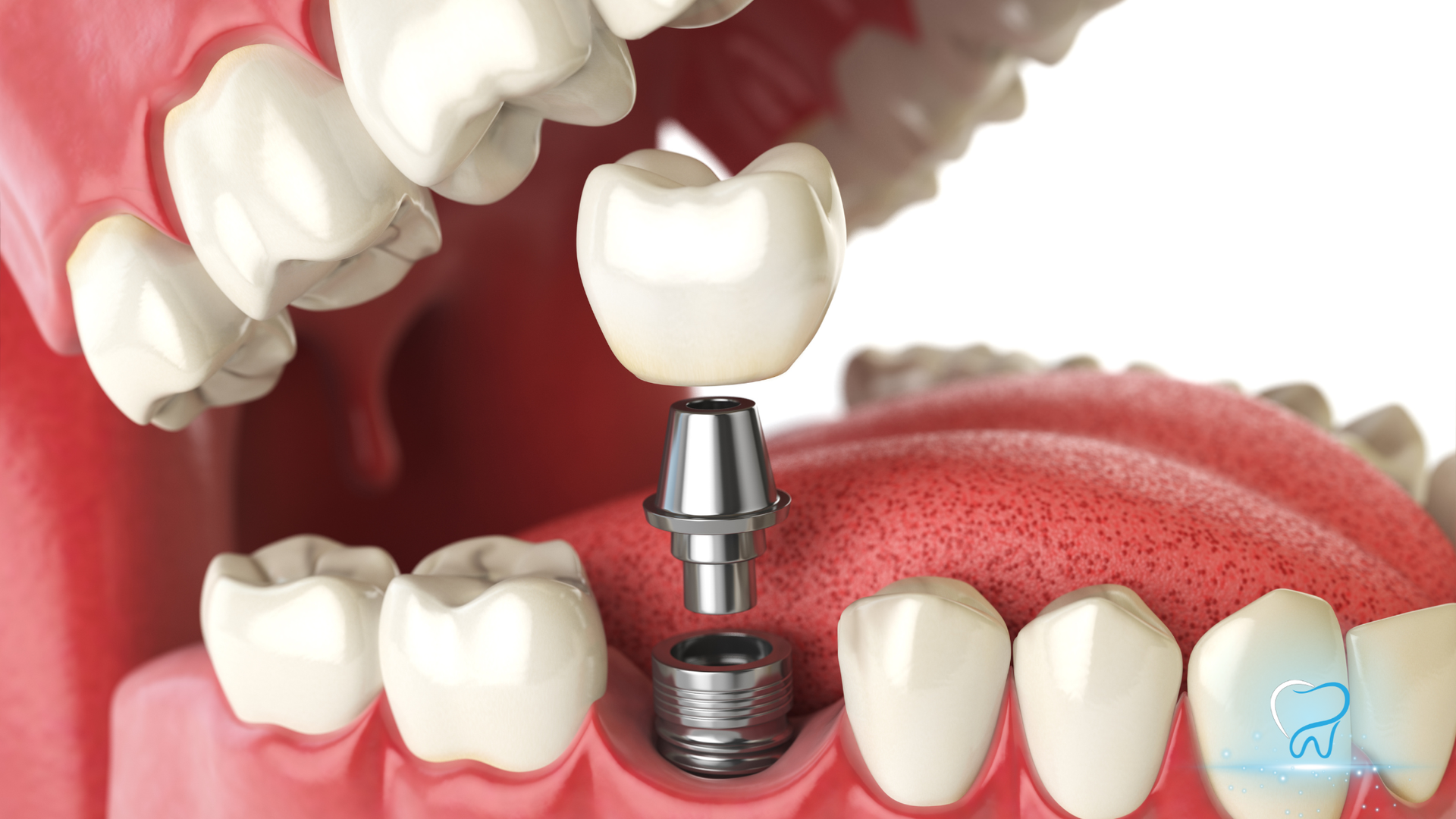
3D dental implant in gums with open mouth and surrounding teeth

Several factors contribute to the development of peri-implantitis. Poor oral hygiene is one of the leading causes, as plaque and bacteria accumulate around the implant site, leading to inflammation and infection. Patients who fail to brush and floss regularly, particularly around the base of their implants, are at higher risk.


Smoking is another significant risk factor. Tobacco use reduces blood flow to the gums, impairing healing and weakening the immune response. This makes it easier for bacteria to thrive and harder for the body to fight off infections. Additionally, individuals with pre-existing gum disease or a history of periodontitis are more susceptible to peri-implantitis due to the lingering presence of harmful bacteria.


Other contributing factors include improper implant placement, which can create areas that are difficult to clean, and systemic health conditions like diabetes or osteoporosis, which can slow healing and increase inflammation. Even habits like grinding or clenching your teeth can exert excessive force on the implant, weakening the surrounding tissues and making them more prone to infection.


Recognizing the Symptoms of Peri-Implantitis


Early detection of peri-implantitis is crucial for effective treatment. Symptoms often start subtly but can progress quickly if not addressed. Patients may notice redness or swelling in the gums around the implant, as well as bleeding during brushing or flossing. As the condition advances, the gums may recede, exposing the implant post, and bone loss may occur, which can sometimes be seen on X-rays. Other signs include persistent bad breath, a bad taste in the mouth, or pain when chewing. In severe cases, the implant may become loose or wobbly, indicating significant bone loss and compromised stability. If you experience any of these symptoms, it’s important to consult your dentist promptly.


Is Peri-Implantitis Considered a Dental Emergency?
Woman holding her cheek with a pained expression, suggesting tooth pain.

Peri-implantitis is not typically considered an immediate dental emergency, but it should never be ignored. Left untreated, this condition can progress rapidly, leading to significant bone loss, implant instability, and eventual implant failure. If you notice symptoms such as persistent gum inflammation, bleeding, receding gums, or discomfort around your dental implant, it’s crucial to contact your dentist as soon as possible. Early intervention can prevent the condition from worsening and may save the implant. While it may not require a same-day visit in most cases, peri-implantitis demands prompt evaluation and treatment to protect both your oral health and your investment in dental implants.


How to Prevent Peri-Implantitis

Hands breaking a lit cigarette in half, symbolizing quitting smoking

Prevention is the best defense against peri-implantitis, and maintaining excellent oral hygiene is the cornerstone of prevention. Brush your teeth twice a day with a soft-bristle toothbrush, paying special attention to the area around your implants. Flossing daily is equally important to remove plaque and debris that can accumulate near the gum line. Implant-specific floss or a water flosser can be particularly effective for cleaning around implants.


Regular dental visits are also essential. Professional cleanings remove tartar and plaque that cannot be addressed with at-home care. During these visits with our dental care team in Pasadena can check for early signs of peri-implantitis, such as gum inflammation or bone loss, and take action before the condition progresses.


Lifestyle changes can further reduce your risk. Quitting smoking is one of the most impactful steps you can take, as it improves blood flow to the gums and enhances the body’s ability to fight infections. Managing systemic health conditions like diabetes or osteoporosis is also crucial, as these conditions can weaken the immune system and slow healing.


Treatment Options for Peri-Implantitis

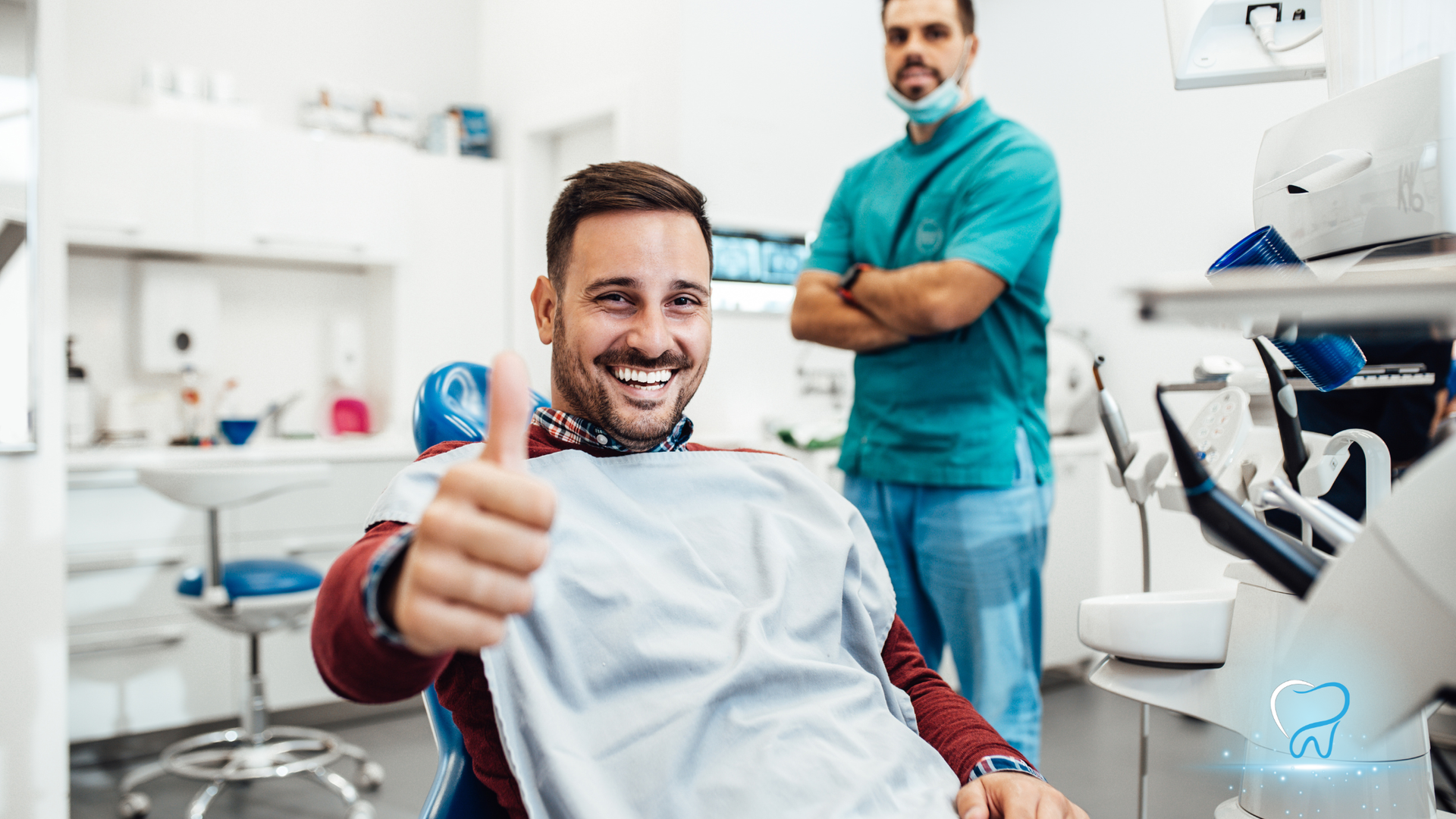
Smiling dental patient giving thumbs up in a clinic, with a dentist standing behind him.

If peri-implantitis develops, early treatment is key to preventing further damage. In the initial stages, non-surgical methods may be effective. Deep cleaning around the implant, often combined with antimicrobial treatments, can help remove bacteria and reduce inflammation. Laser therapy is another option, allowing dentists to target infected tissues without invasive procedures.


For advanced cases, surgical intervention may be necessary. Flap surgery, which involves lifting the gums to clean and decontaminate the area around the implant, can help restore health to the tissues. If bone loss has occurred, bone grafting may be required to rebuild the implant’s foundation. In severe situations where the implant cannot be salvaged, it may need to be removed and replaced after the area has healed.


Why Regular Dental Visits Are Essential

Routine check-ups play a critical role in preventing and managing peri-implantitis. Our dentists at South Lake Dental will monitor the health of your gums and the stability of your implant, identifying any issues early. They may also recommend specialized cleaning tools or techniques tailored to your specific needs.


During these visits, our dentists will also assess your overall oral health, as conditions like gum disease can increase the risk of complications around your implant. These appointments are an opportunity to receive personalized advice and ensure you’re taking the best possible care of your smile.


Protecting Your Dental Implants

Smiling person with curly white hair in a coral top against a dark background

Peri-implantitis is a preventable condition that underscores the importance of good oral hygiene, regular dental care, and healthy lifestyle choices. Whether you’re considering dental implants or already have them, understanding how to care for them properly is essential for their long-term success.


By brushing and flossing daily, attending routine dental check-ups, and addressing risk factors like smoking or systemic health conditions, you can protect your implants and enjoy a confident, healthy smile for years to come. If you suspect any issues with your implants,
schedule an appointment with our dentists at South Lake Dental today to safeguard your oral health.

Related Posts

By South Lake Dental June 15, 2026
Professional teeth whitening starts with understanding your oral health. Learn how South Lake Dental in Pasadena helps patients with sensitive teeth achieve brighter smiles through personalized treatment planning and careful monitoring.
Blue dental promo with man thinking and text: “How Bruxism Affects Your Teeth, Jaw, and Daily Comfort”
By South Lake Dental June 1, 2026
Chronic teeth grinding can place significant stress on the teeth and jaw. Discover how South Lake Dental in Pasadena diagnoses bruxism and develops personalized treatment plans to help protect your smile.
By South Lake Dental May 15, 2026
Jaw pain, worn teeth, and dry mouth may all be connected to sleep disorders. Learn how South Lake Dental in Pasadena helps identify and manage sleep-related dental issues for long-term oral health support.
Show More