
Can Botox® Reduce Teeth Grinding and Clenching?

Source: Dr. Marketing
Most people think of teeth grinding as a habit. Something they do during stressful days or while sleeping. What many do not realize is that bruxism can place tremendous pressure on the teeth, jaw joints, and facial muscles every single day, often without them even knowing it.
Many patients first discover they have a grinding or clenching problem during a routine dental examination. Others begin searching for answers after waking up with headaches, experiencing jaw soreness, or noticing that their teeth seem more worn than they should. By the time symptoms become noticeable, the effects of bruxism may have been developing for years.
While custom night guards remain one of the most effective ways to protect the teeth, they do not always reduce the muscle activity responsible for grinding and clenching. This has led many patients to ask whether Botox® can help.
The answer depends on what is causing your symptoms. At South Lake Dental in Pasadena, we begin by understanding the source of your bruxism before recommending the treatment that best supports your long-term oral health.
Teeth Grinding Is Often More Complex Than It Appears
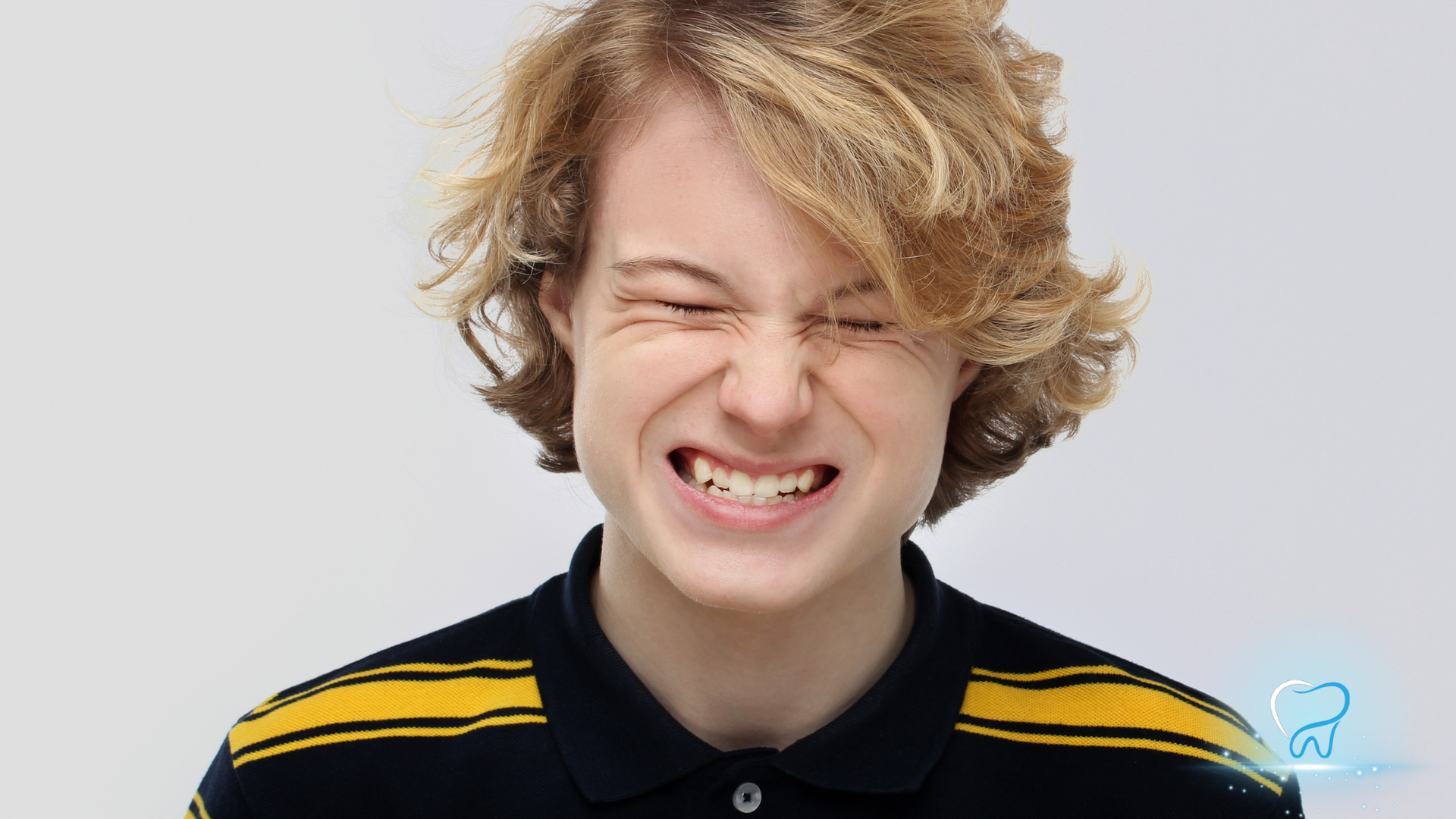
Bruxism is not simply a bad habit that can be stopped with willpower. It is a condition that may be influenced by several different factors, including stress, sleep disorders, bite imbalances, medications, and overactive jaw muscles.
Some people grind their teeth almost exclusively while sleeping. Others clench throughout the day while working, driving, exercising, or concentrating. Because these movements often happen unconsciously, many patients have no idea how much force they are placing on their teeth until signs of damage begin to appear.
Over time, that repeated pressure can affect far more than your smile. The jaw muscles become overworked, the teeth experience excessive wear, and existing dental restorations may be placed under unnecessary stress.
This is why identifying the cause of bruxism is just as important as treating the symptoms themselves.
The Signs Are Not Always Limited to Your Teeth
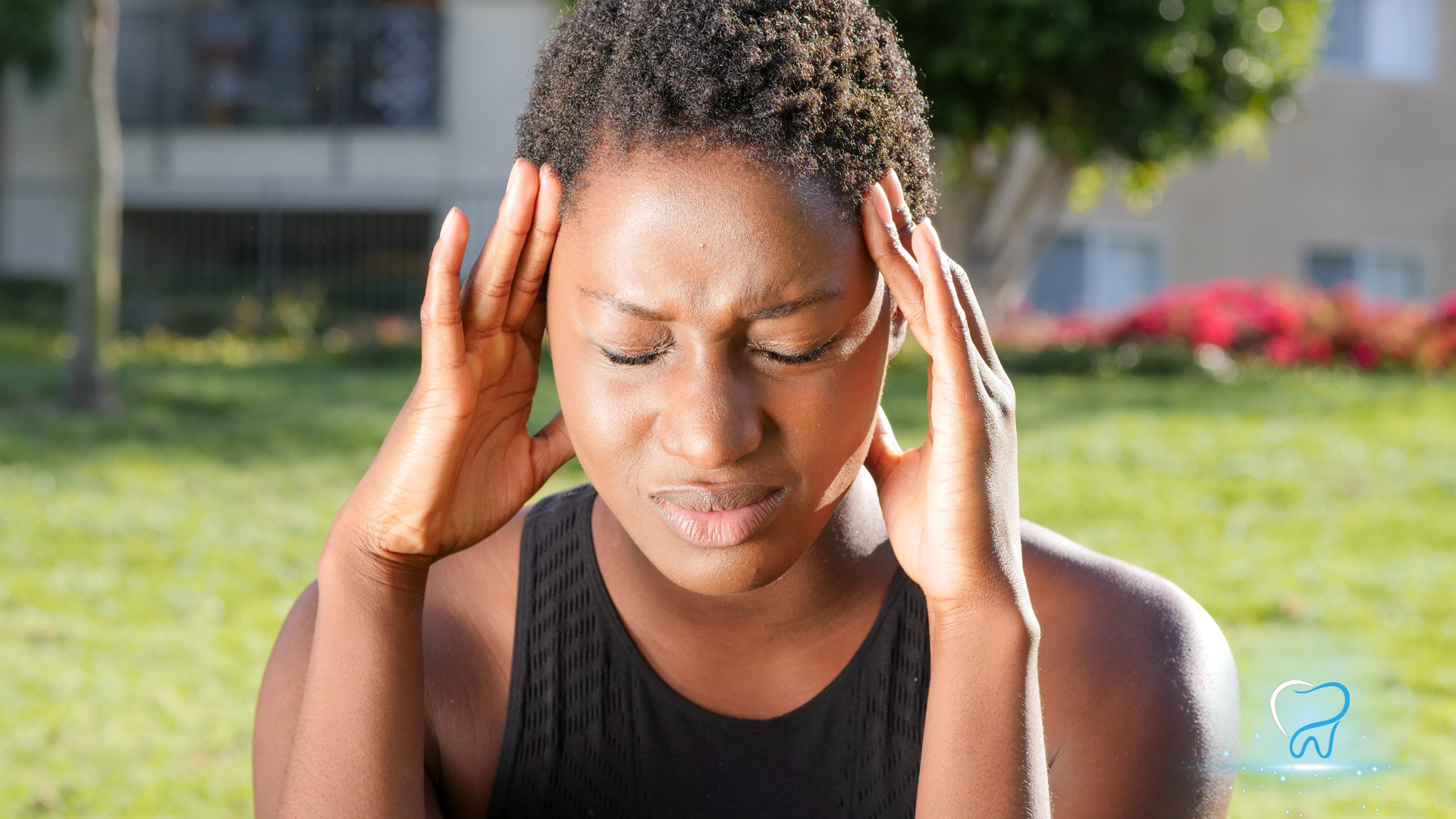
One of the biggest misconceptions about bruxism is that it only affects the teeth. In reality, the surrounding muscles and joints often experience just as much strain.
Patients with chronic grinding or clenching commonly report waking up with jaw stiffness, facial muscle fatigue, headaches, or tenderness around the temples. Some notice discomfort while chewing, while others hear clicking or popping when opening and closing their mouths. Teeth may become increasingly sensitive as enamel gradually wears away, and small chips or cracks can begin appearing without any obvious injury.
Because these symptoms develop gradually, they are often mistaken for stress, aging, or unrelated jaw problems.
If you have noticed any of these concerns, scheduling a consultation at South Lake Dental in Pasadena can help determine whether bruxism is contributing to your symptoms before additional damage occurs.
Why a Night Guard Is Sometimes Only Part of the Solution
For many patients, a custom night guard is an excellent first step in managing bruxism.
Night guards create a protective barrier between the upper and lower teeth, helping reduce wear and protect dental restorations while you sleep. However, they do not prevent the jaw muscles from contracting. In many cases, the muscles continue generating the same amount of force, even though the teeth are protected.
This is why some patients continue experiencing headaches, jaw soreness, or muscle fatigue despite wearing their night guard consistently.
When symptoms persist, our dentist may recommend exploring additional treatment options based on the underlying cause of your condition.
Where Botox® Fits Into Bruxism Treatment
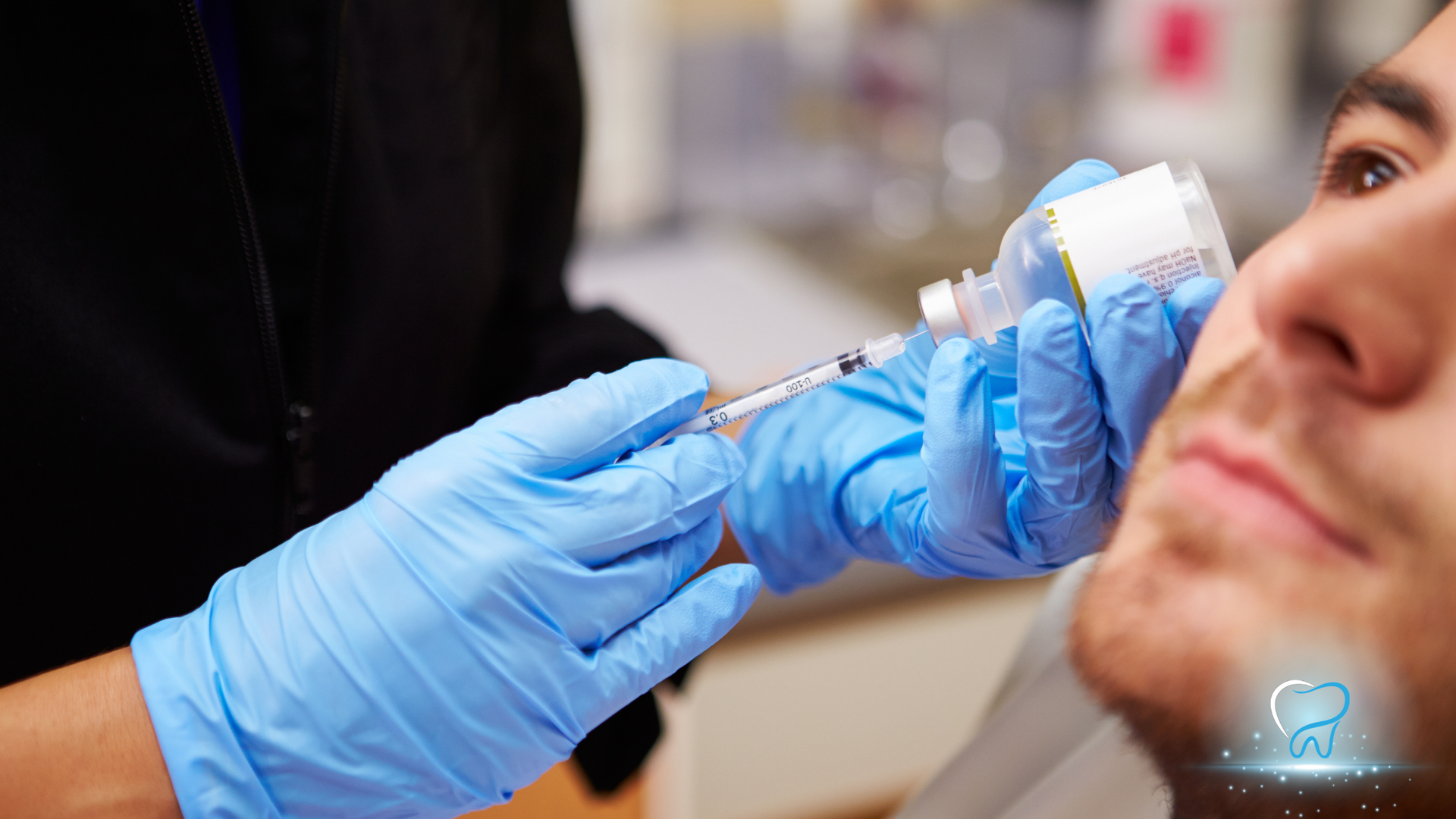
Botox® has become an increasingly recognized treatment for certain patients experiencing chronic teeth grinding and jaw clenching.
Unlike cosmetic Botox® treatments that focus on facial appearance, therapeutic Botox® for bruxism is used to relax specific overactive jaw muscles, most commonly the masseter muscles responsible for generating much of the biting force.
The treatment does not prevent normal jaw movement. Patients are still able to chew, speak, smile, and perform everyday activities comfortably. Instead, Botox® helps reduce the excessive force created during unconscious clenching and grinding.
For some patients, this reduction in muscle activity may lead to less jaw tension, fewer headaches, and decreased pressure on the teeth.
At South Lake Dental in Pasadena, we carefully evaluate whether Botox® may be an appropriate addition to your treatment plan based on your symptoms, oral health, and overall treatment goals.
What Botox® Can and Cannot Do
Although Botox® offers significant benefits for many patients, it is important to understand what it is designed to accomplish.
Botox® helps reduce excessive muscle activity. It does not correct bite alignment, move teeth into better positions, eliminate stress, or cure sleep disorders that may contribute to bruxism.
This distinction is important because successful treatment often involves addressing more than one contributing factor.
Depending on your individual needs, your treatment plan may include a custom night guard, orthodontic treatment, restorative dentistry, stress management strategies, or a combination of therapies working together.
Every patient experiences bruxism differently, which is why treatment should always be personalized rather than relying on a single solution.
Why Early Treatment Can Protect Your Smile
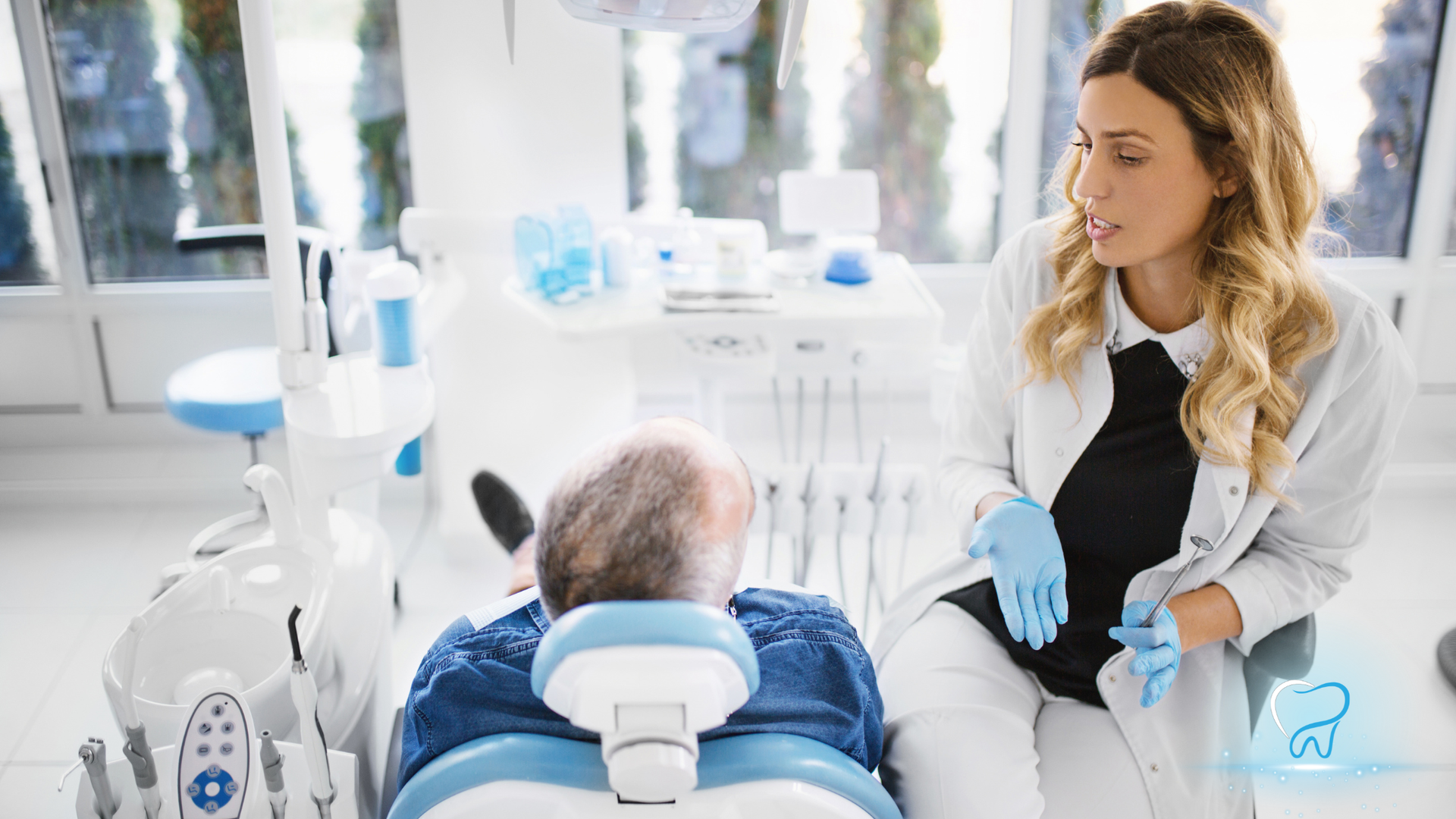
Many people live with bruxism for years before seeking professional care because the symptoms often seem manageable in the beginning.
Unfortunately, the effects of grinding and clenching rarely remain limited to mild discomfort.
Continued pressure can gradually wear away enamel, chip teeth, damage fillings and crowns, contribute to gum recession, and place additional strain on the jaw joints. In more advanced cases, patients may require restorative treatment to repair damage that could have been minimized through earlier intervention.
Seeking an evaluation when symptoms first appear allows our dentist to identify the source of the problem and recommend treatment before significant damage develops.
Every Bruxism Treatment Plan Should Be Personalized
No two patients experience bruxism in exactly the same way.
Some primarily struggle with muscle tension and headaches. Others experience extensive tooth wear with very little discomfort. Some patients respond well to a custom night guard alone, while others benefit from combining multiple treatment approaches, including Botox®.
The most effective treatment begins with understanding why the grinding or clenching is happening.
During a consultation at South Lake Dental in Pasadena, our dentist will evaluate your bite, examine your teeth for signs of wear, assess your jaw muscles, and discuss your symptoms in detail. This comprehensive evaluation helps determine which treatment options are most appropriate for your unique needs.
Finding Relief Begins with the Right Diagnosis

Teeth grinding and jaw clenching are often dismissed as minor habits, but their long-term effects can be significant. Protecting your smile involves more than simply managing the symptoms. It requires identifying what is causing the excessive muscle activity in the first place.
Whether your treatment involves a custom night guard, Botox®, orthodontic care, or a combination of therapies, the goal remains the same: protecting your teeth, improving jaw comfort, and supporting your long-term oral health.
If you regularly wake up with headaches, notice jaw soreness, or have been told that your teeth show signs of grinding, now is an excellent time to schedule a consultation with South Lake Dental in Pasadena. Together, we can identify the cause of your symptoms and develop a personalized treatment plan that helps protect your smile for years to come.
Related Posts